


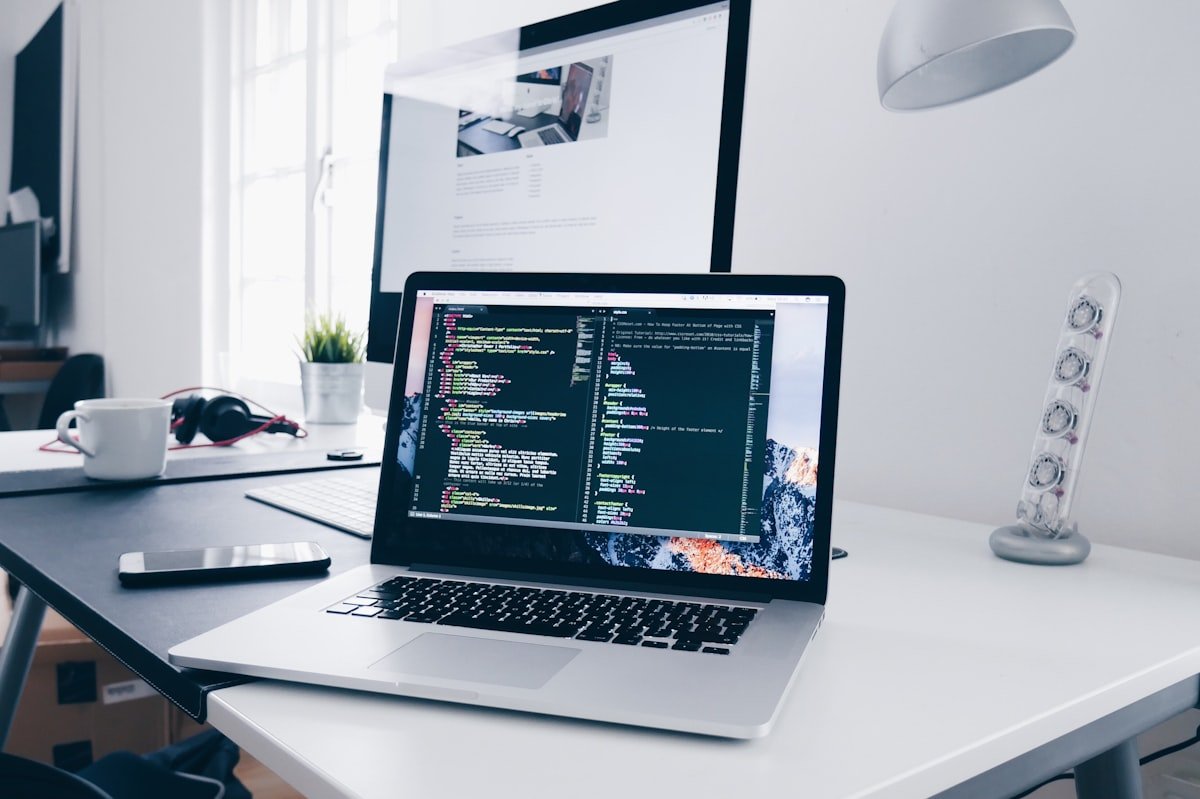
Introduction to the Unseen World of Software Development
The world of software is often glamorized, with tech giants and innovative startups making headlines for their groundbreaking products. However, beneath the surface of sleek designs and user-friendly interfaces lies a complex web of code, bugs, and security risks. As a society, we’re so enamored with the latest and greatest software solutions that we often overlook the potential consequences of our addiction to innovation.
For instance, the rise of software as a service (SaaS) has led to a proliferation of cloud-based applications, making it easier for businesses to manage their operations remotely. But this convenience comes at a cost, as companies are now more vulnerable to cyber attacks and data breaches. The lack of transparency in software development processes only exacerbates the issue, leaving users in the dark about the potential risks associated with the products they use.
The Hidden Reality of Software Maintenance
Maintenance is a crucial aspect of software development, yet it’s often neglected in favor of new feature releases and updates. The fact is, software is never truly ‘finished’; it requires constant attention to ensure it remains secure, stable, and functional. However, this ongoing process is frequently overlooked, leading to a buildup of technical debt that can have disastrous consequences. As the United States Computer Emergency Readiness Team notes, the importance of software maintenance cannot be overstated, as it plays a critical role in preventing cyber attacks and protecting sensitive information.
The consequences of neglecting software maintenance can be severe. Bugs and glitches can lead to frustrating user experiences, while security vulnerabilities can put sensitive data at risk. Furthermore, the accumulation of technical debt can make it increasingly difficult for developers to implement new features or updates, ultimately hindering the growth and development of the software itself.
The Surprising Insight: Software Development is a Human Process
Despite the prevalence of automation and artificial intelligence in software development, the process remains inherently human. Developers, with all their biases and flaws, are responsible for designing, coding, and testing software products. This human element introduces a level of unpredictability, as personal perspectives and experiences inevitably shape the final product. While this subjectivity can lead to innovative solutions, it also increases the likelihood of errors and oversights.
The recognition of software development as a human process is essential for understanding the complexities and challenges associated with it. By acknowledging the role of human emotion, intuition, and experience in shaping software products, we can better appreciate the need for collaboration, feedback, and continuous learning in the development process.
The Unseen Audience: Remote Workers and the Future of Software
As the world becomes increasingly remote, software products are being designed with this shift in mind. However, the needs and preferences of remote workers are often overlooked in favor of more ‘traditional’ user groups. This oversight can lead to software solutions that are inadequate or even counterproductive for remote teams, ultimately hindering their productivity and collaboration.
The future of software development lies in its ability to adapt to the changing needs of its users. By recognizing the importance of remote workers and the unique challenges they face, developers can create more inclusive, flexible, and effective software solutions. This, in turn, can have a profound impact on the way we work, collaborate, and communicate in the digital age.
In the end, the world of software is a complex, multifaceted beast, full of contradictions and paradoxes. It’s a realm where innovation and dysfunction coexist, where human ingenuity and technical debt are forever intertwined. As we move forward in this digital landscape, it’s essential to acknowledge the darker aspects of software development, lest we forget the importance of responsible innovation and the potential consequences of our actions. The software products we use today will shape the world of tomorrow, and it’s up to us to ensure that they do so in a way that’s both beneficial and responsible.
