


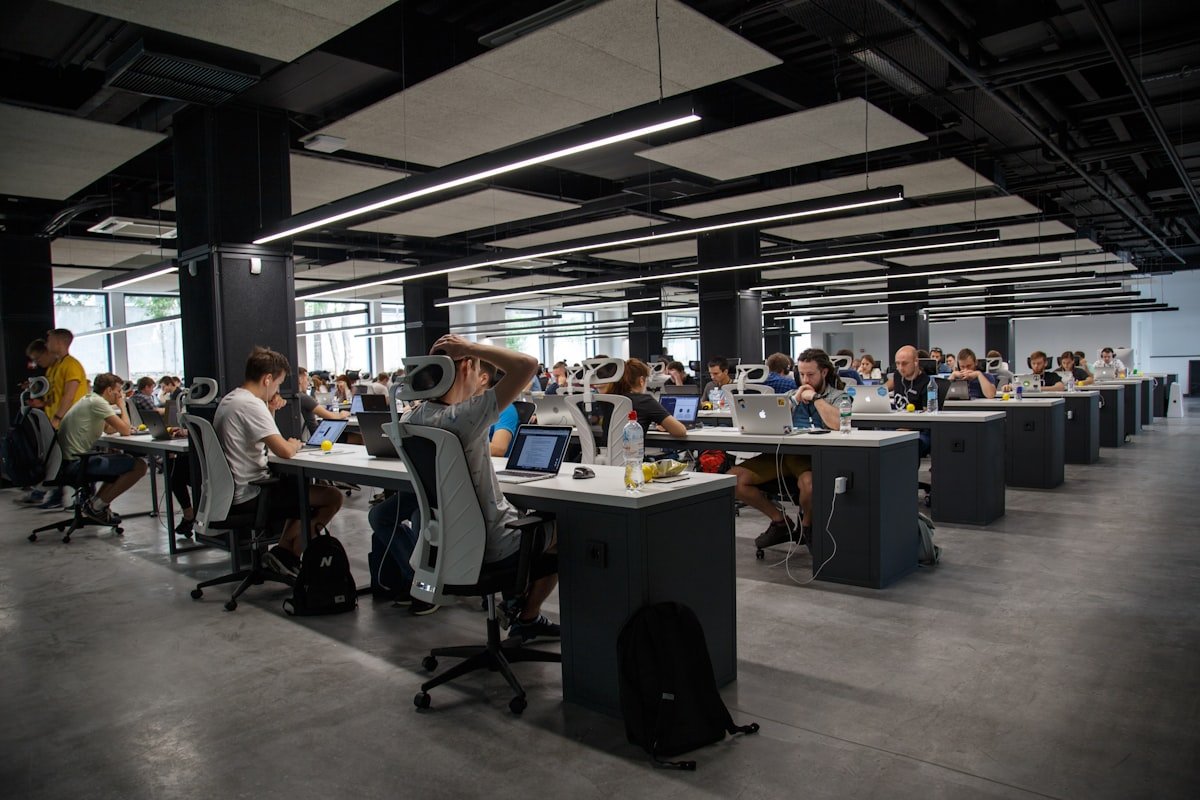
The Educational Software Conundrum
As we continue to rely on educational software to streamline learning, a disturbing trend has emerged. It appears that our pursuit of efficiency and convenience has come at the cost of critical thinking. Educational software, once hailed as a revolutionary tool, has become a double-edged sword. On one hand, it provides unparalleled access to information and learning resources. On the other hand, it perpetuates a culture of dependence, where students rely on software to perform even the most basic tasks.
This is not to say that educational software is inherently bad. In fact, when used judiciously, it can be a powerful tool for learning. However, our over-reliance on it has led to a decline in critical thinking skills. Students are no longer encouraged to question, analyze, or evaluate information. Instead, they are presented with pre-digested, software-generated answers that leave little room for interpretation or debate.
The Hidden Reality of Software-Driven Learning
A closer examination of educational software reveals a more insidious problem. Many software programs are designed with a specific pedagogical approach in mind, often prioritizing rote memorization over deeper understanding. This can lead to a superficial grasp of concepts, where students regurgitate facts without truly comprehending the underlying principles. Moreover, the software’s emphasis on standardized testing and assessment can create a culture of teaching to the test, rather than fostering genuine learning.
According to a report by the US Department of Education, the over-reliance on educational software can have long-term consequences for students. The report suggests that students who rely heavily on software may struggle with complex problem-solving and critical thinking in the real world. This is a disturbing trend, especially given the increasing importance of these skills in the modern workforce.
A Surprising Insight into the World of Educational Software
Despite the challenges posed by educational software, there are some surprising benefits to its use. For instance, software can provide personalized learning experiences, tailored to an individual student’s needs and abilities. This can be particularly beneficial for students with learning disabilities or those who require additional support. Moreover, educational software can facilitate collaboration and communication among students, promoting a sense of community and shared learning.
However, these benefits are often overshadowed by the software’s limitations. As noted by an article in The New York Times, the education technology industry is largely unregulated, leading to a proliferation of low-quality software programs. This can create a situation where students are exposed to subpar educational materials, which can hinder their learning and development.
The Mistake of Assuming Educational Software is a Panacea
Perhaps the greatest mistake we make is assuming that educational software is a panacea for all our educational ills. We expect software to solve complex problems, such as closing the achievement gap or improving student engagement. However, software is only a tool, not a solution. It is up to educators, policymakers, and students themselves to ensure that software is used in a way that complements, rather than replaces, human teaching and learning.
As we move forward, it is essential that we approach educational software with a critical eye. We must recognize both its potential benefits and limitations, and strive to create a more nuanced understanding of its role in the learning process. By doing so, we can harness the power of educational software to enhance teaching and learning, rather than sacrificing critical thinking for the sake of convenience.
Ultimately, the future of education depends on our ability to balance the benefits of technology with the needs of human learners. As we navigate this complex landscape, we must remain vigilant, ensuring that our pursuit of innovation does not come at the cost of the very skills that make us human. The consequences of our actions will be far-reaching, shaping the minds and futures of generations to come.
