


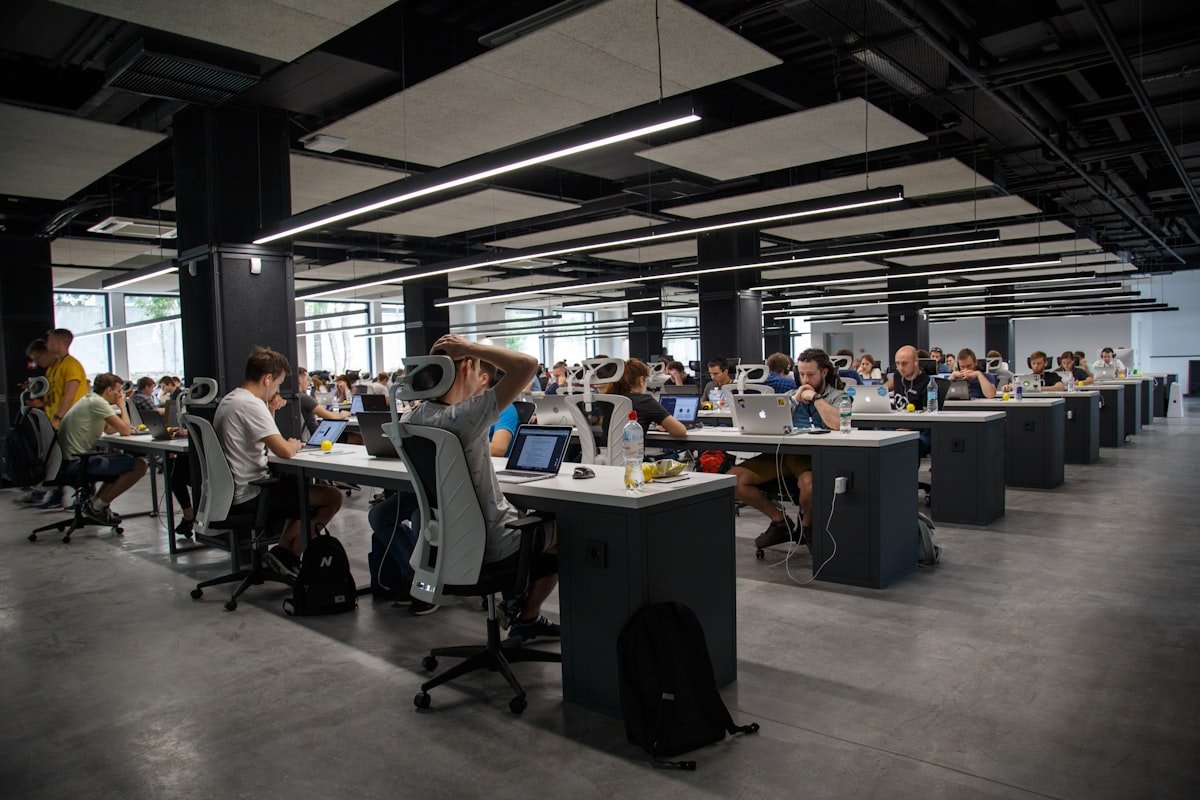
The Rise of the Digital Classroom
The world of education is undergoing a seismic shift, and it’s not just about replacing chalkboards with smartboards. The real revolution is happening behind the scenes, where software is transforming the way we learn, teach, and interact with each other. It’s a brave new world, full of possibilities and pitfalls.
On one hand, edu-tech has made it possible for students to access a vast array of resources and learning materials from anywhere in the world. Online courses, virtual tutoring, and digital textbooks are just a few examples of how technology is breaking down geographical and socio-economic barriers to education. But, as with any powerful tool, there’s a downside to this trend.
The Hidden Costs of Digital Learning
As we become more reliant on software and digital platforms, we’re also creating a new set of problems. For starters, there’s the issue of equity and access. Not all students have equal access to technology, and this can create a digital divide that exacerbates existing social and economic inequalities. According to a report by the US Department of Education, over 20% of students in the United States lack access to a computer or internet at home.
Moreover, the over-reliance on technology can also have unintended consequences on our cognitive abilities and social skills. A study by the Pew Research Center found that excessive screen time can lead to a decline in attention span, memory, and face-to-face communication skills. It’s a trend that’s leaving many educators and experts wondering if we’re sacrificing too much in the name of progress.
Reclaiming the Human Touch in Education
So, what’s the solution to this dilemma? Perhaps it’s time to take a step back and reassess our approach to edu-tech. Rather than relying solely on software and digital platforms, we should be looking for ways to combine technology with traditional teaching methods. By striking a balance between the two, we can create a more holistic and effective learning experience that caters to different learning styles and needs.
For instance, teachers can use digital tools to supplement their lessons, provide personalized feedback, and facilitate collaboration among students. At the same time, they should also prioritize face-to-face interaction, hands-on activities, and critical thinking exercises that foster creativity, empathy, and problem-solving skills.
Rethinking the Role of the Teacher
The rise of edu-tech also raises important questions about the role of the teacher in the digital age. As software and AI assume more responsibility for content delivery and assessment, what’s left for human educators to do? The answer lies in their ability to provide guidance, support, and mentorship – the very qualities that make us human.
By focusing on the human side of education, teachers can create a more nurturing and inclusive learning environment that acknowledges the unique experiences, perspectives, and needs of each student. It’s a shift in mindset that requires educators to be more adaptable, empathetic, and innovative in their approach – qualities that are essential for success in the 21st century.
As we move forward in this brave new world of edu-tech, it’s essential to remember that technology is merely a tool – a means to an end, not an end in itself. The true power of education lies in its ability to transform lives, foster connections, and inspire creativity. And that’s something that no software or digital platform can ever replace. The future of education is a complex tapestry of human and technological elements, and it’s up to us to weave them together in a way that creates a richer, more nuanced, and more compassionate learning experience for all.
