


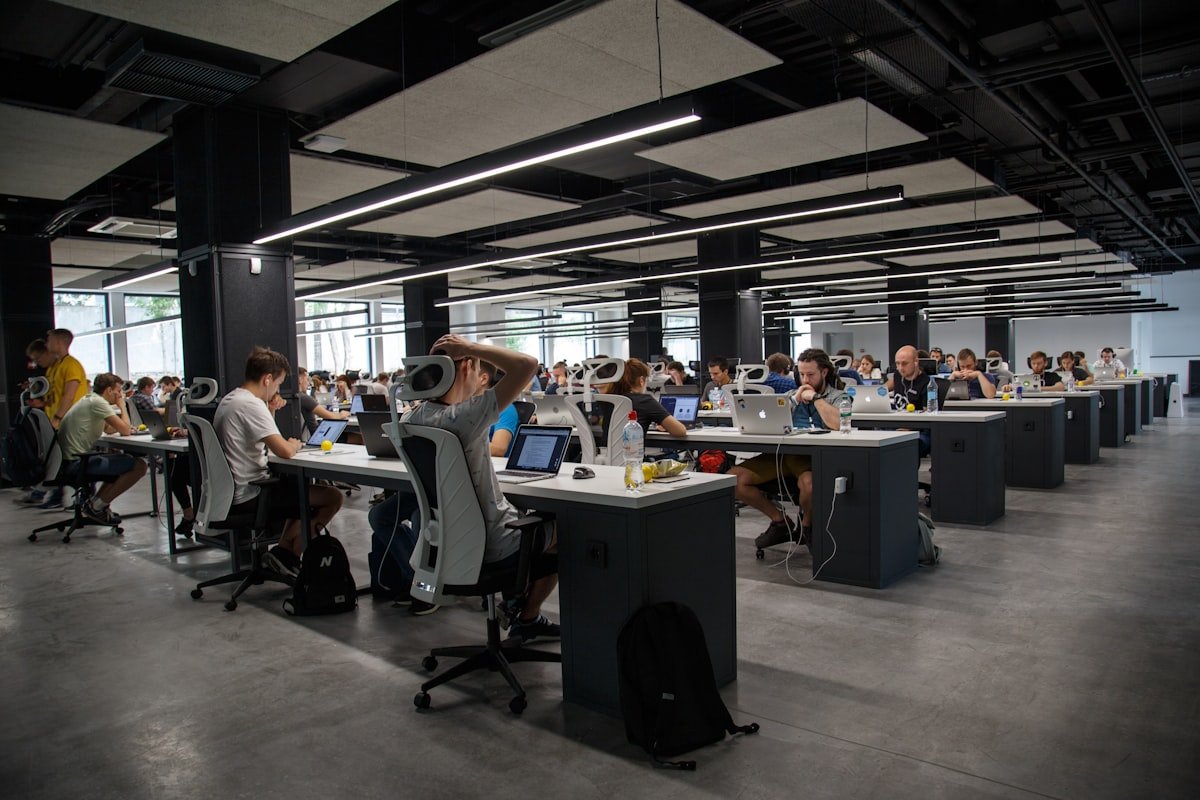
The Dark Side of Innovation
Let’s face it, the tech industry is a mystical realm where innovation and progress are the ultimate goals. However, behind the scenes of this fascinating world, there’s a hidden reality that’s often ignored: the lack of preparedness among students to tackle the challenges of this ever-evolving field.
It’s no secret that the education system has been criticized for its inability to keep up with the rapid pace of technological advancements. As a result, students are often left to navigate this complex landscape on their own, with little guidance or support. This raises an important question: are we setting our students up for failure by not providing them with the necessary tools and knowledge to succeed in the tech industry?
Mistakes and Misconceptions
One of the main mistakes made by the education system is its focus on theoretical knowledge rather than practical skills. While understanding the fundamentals of computer science is crucial, it’s equally important to provide students with hands-on experience and real-world examples to help them apply their knowledge. This is where the education system falls short, leaving students with a lack of practical skills and a superficial understanding of the tech industry.
Another misconception is that the tech industry is only about coding and programming. While these skills are essential, they’re not the only ones required to succeed in this field. Soft skills, such as communication, teamwork, and problem-solving, are just as important, yet they’re often overlooked in the education system. This narrow focus on technical skills can lead to a lack of well-rounded individuals who are capable of adapting to the ever-changing landscape of the tech industry.
A Surprising Insight
A surprising insight into the state of the education system is the lack of emphasis on niche areas, such as software development for social impact. While many students are interested in using their skills to make a positive difference in the world, the education system often fails to provide them with the necessary resources and guidance to pursue this path. This is a missed opportunity, as the tech industry has the potential to drive significant social change and improve people’s lives.
According to a report by the National Science Foundation, the tech industry has the potential to address some of the world’s most pressing challenges, such as climate change, healthcare, and education. However, this requires a fundamental shift in the way we approach education and the tech industry. By providing students with the necessary tools and knowledge to tackle these challenges, we can unlock the full potential of the tech industry and create a better future for all.
Preparing for the Future
So, what can we do to prepare students for the hidden reality of the tech industry? For starters, we need to rethink the way we approach education and provide students with a more holistic learning experience. This includes incorporating practical skills, soft skills, and niche areas into the curriculum, as well as providing opportunities for students to engage with the tech industry and work on real-world projects.
Additionally, we need to recognize the importance of lifelong learning and provide students with the skills and knowledge to adapt to the ever-changing landscape of the tech industry. This requires a shift in mindset, from a focus on traditional classroom learning to a more flexible and dynamic approach that incorporates online resources, mentorship, and hands-on experience. By doing so, we can empower students to succeed in the tech industry and create a better future for themselves and society as a whole.
As noted by the U.S. Department of Education, the tech industry is expected to continue growing and evolving in the coming years, with new technologies and innovations emerging all the time. To prepare students for this reality, we need to be proactive and forward-thinking in our approach to education, providing them with the skills, knowledge, and support they need to succeed in this exciting and rapidly changing field.
Ultimately, the education system’s failure to prepare students for the hidden reality of the tech industry is a complex issue that requires a multifaceted solution. By recognizing the mistakes and misconceptions of the past, embracing surprising insights, and preparing students for the future, we can unlock the full potential of the tech industry and create a better future for all. The question is, are we ready to take on this challenge and provide students with the education they deserve?
