


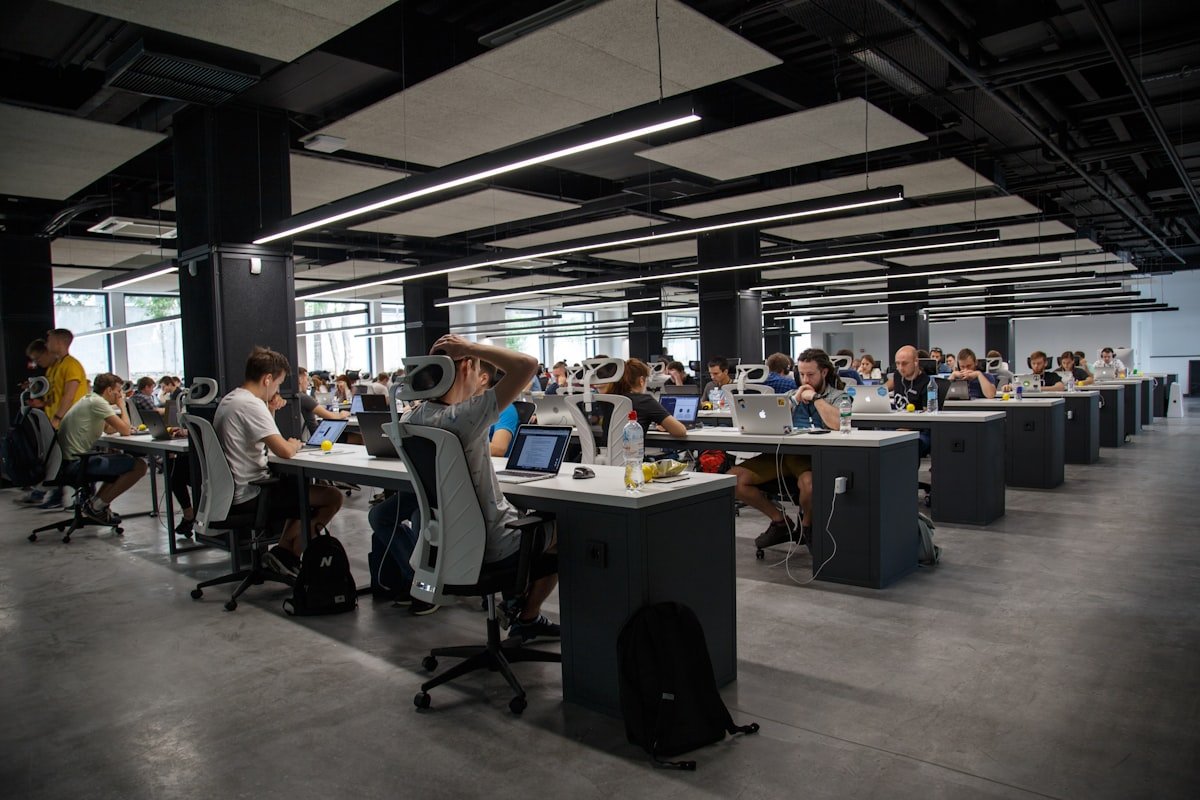
The Unseen World of Traveler Software
As we delve into the ever-evolving landscape of software development, it becomes increasingly evident that a significant segment of this industry is veering towards catering to the needs of travelers. This shift isn’t merely about ensuring that travel apps are more user-friendly or that travel websites are more accessible. It’s about creating an ecosystem that understands the nuances of travel, from planning and booking to the actual experience of exploration.
One might wonder, what could possibly be exciting about software for travelers that hasn’t been covered before? The answer lies in the subtleties of how travel influences and is influenced by technology. For instance, how does one ensure seamless communication across language barriers, or provide real-time assistance in foreign territories, or even enable travelers to contribute to the local economies in meaningful ways?
Breaking Down the Barriers
The trend in software development for travelers points towards a more personalized and integrative experience. This involves not just translating apps into multiple languages but creating platforms that can understand and adapt to the specific needs of different types of travelers. Whether it’s a business traveler looking for efficiency and productivity or a leisure traveler seeking novelty and excitement, software must now be adept at providing tailored solutions.
A significant challenge in this domain is addressing the issue of internet connectivity. Manytravel destinations, especially in remote or underdeveloped areas, lack reliable internet access. This is where innovative solutions, such as offline modes or peer-to-peer networking, come into play. According to a report by NTIA, the importance of internet access for travelers cannot be overstated, as it impacts not just the traveler’s experience but also the local economy.
Mistakes of the Past and Lessons for the Future
Past attempts at developing software for travelers have often overlooked the importance of cultural sensitivity and local relevance. An app that works wonders in one part of the world might find little traction in another due to cultural or regulatory differences. This is a lesson that current and future developers would do well to heed. By engaging closely with local communities and understanding the unique challenges and opportunities of each region, software can be designed to make a more meaningful impact.
Moreover, there’s a growing awareness of the environmental impact of travel and the role that technology can play in mitigating this. Software solutions that encourage responsible travel practices, such as reducing waste or promoting sustainable accommodations, are becoming increasingly relevant. As noted by UNWTO, sustainable tourism is not just a moral obligation but an economic necessity for many destinations.
The Hidden Reality of Travel Software
Beneath the surface of the travel software development world lies a complex interplay of factors, including technological innovations, changing consumer behaviors, and shifting global dynamics. The hidden reality is that this industry is not just about creating tools for travelers but about crafting experiences that are both personally fulfilling and socially responsible.
This involves acknowledging the mistakes of the past, such as neglecting the needs of specific traveler niches or overlooking the environmental footprint of travel. It also means embracing new trends and technologies, like augmented reality and blockchain, to create more immersive, secure, and ethical travel experiences.
As we look to the future, the travel software development sector holds tremendous promise. It’s an industry that can leverage technology not just to simplify travel logistics but to enrich the human experience of exploring our world. And as developers, travelers, and global citizens, we all have a stake in ensuring that this promise is fulfilled in a way that is both innovative and responsible.
Ultimately, the future of travel software development will be shaped by our collective ability to balance technological advancement with human insight, and to recognize that, in the end, the true measure of success lies not in the sophistication of our tools, but in the depth and richness of the experiences they enable. It’s a challenge that, if met, could revolutionize the way we travel and interact with the world around us, fostering a more connected, more empathetic, and more wondrous global community.
