


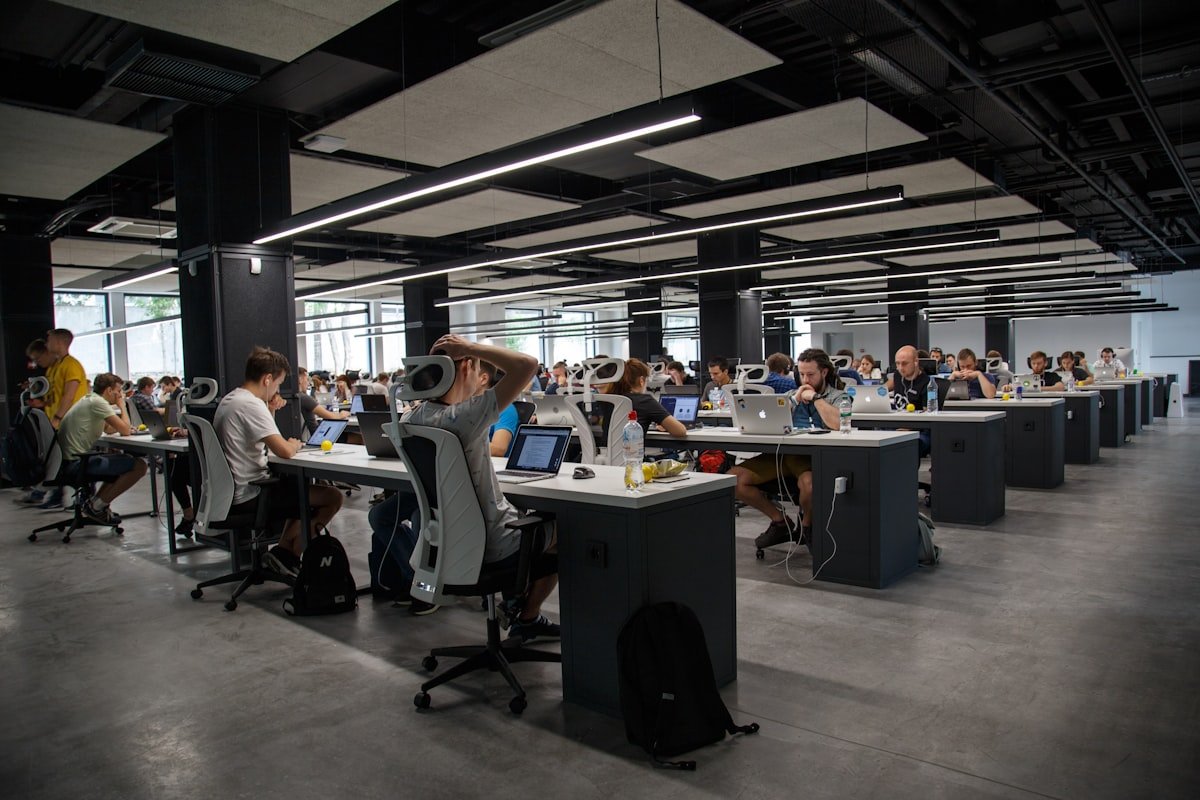
The Freedom to Stay Put
It’s interesting how often we equate mobility with freedom. We’re told that having the latest gadgets and technological advancements will grant us the ability to work from anywhere, be it a remote beach or a cozy coffee shop. But what if this concept of mobility is actually suffocating us? What if, in our relentless pursuit of being constantly connected and on-the-go, we’re forgetting the beauty of staying put?
For professionals who are always on the move, the idea of being able to work from anywhere might seem like a dream come true. However, this constant mobility can come at a cost. Without a stable and dedicated workspace, it can be difficult to establish a routine and maintain productivity. And let’s not forget the environmental impact of all that traveling – it’s not exactly the most sustainable way of living.
The Hidden Reality of Remote Work
Despite the trend of remote work being on the rise, there’s a hidden reality that’s often overlooked. Many remote workers struggle with feeling isolated and disconnected from their colleagues and community. Without the structure and social interaction of an office environment, it can be easy to feel like you’re missing out on important connections and opportunities.
However, this doesn’t have to be the case. With the right tools and mindset, remote workers can stay connected and engaged with their team, no matter where they are in the world. It’s all about finding the right balance between mobility and stability – and being mindful of the impact that our choices have on our well-being and the environment.
Mistakes We Make in the Name of Mobility
One of the biggest mistakes we make in the name of mobility is assuming that it’s always the best option. We’re so caught up in the idea of being able to work from anywhere that we forget about the importance of having a dedicated workspace. And let’s not forget the impact that constant traveling can have on our health and relationships – it’s not always as glamorous as it seems.
In fact, studies have shown that excessive travel can have negative effects on our physical and mental health. According to the Centers for Disease Control and Prevention, prolonged travel can increase our risk of developing blood clots, deep vein thrombosis, and other health problems. And let’s not forget the impact that it can have on our relationships – constant travel can make it difficult to maintain a healthy work-life balance.
Surprising Insights into the World of Education
So, what can we learn from the world of education about mobility and stability? For one, we can look at the concept of “place-based learning” – an approach that emphasizes the importance of learning in a specific, dedicated environment. This approach recognizes that our surroundings and community play a significant role in our learning and development, and that mobility isn’t always the best option.
In fact, research has shown that students who learn in a stable, dedicated environment tend to perform better and have higher levels of engagement than those who are constantly on the move. According to a study by the Harvard University, place-based learning can have a positive impact on student outcomes, particularly for students from disadvantaged backgrounds.
As we move forward in this increasingly mobile world, it’s essential that we remember the importance of stability and community. Whether we’re professionals, students, or simply individuals looking to make a positive impact, it’s crucial that we find a balance between our desire for mobility and our need for connection and belonging.
And so, as we continue to navigate this complex and often contradictory world, let’s not forget to stay grounded and mindful of our impact. Let’s recognize the value of stability and community, and work towards creating a world that values both mobility and connection. Only then can we truly thrive in this ever-changing landscape, and create a brighter, more sustainable future for all.
