


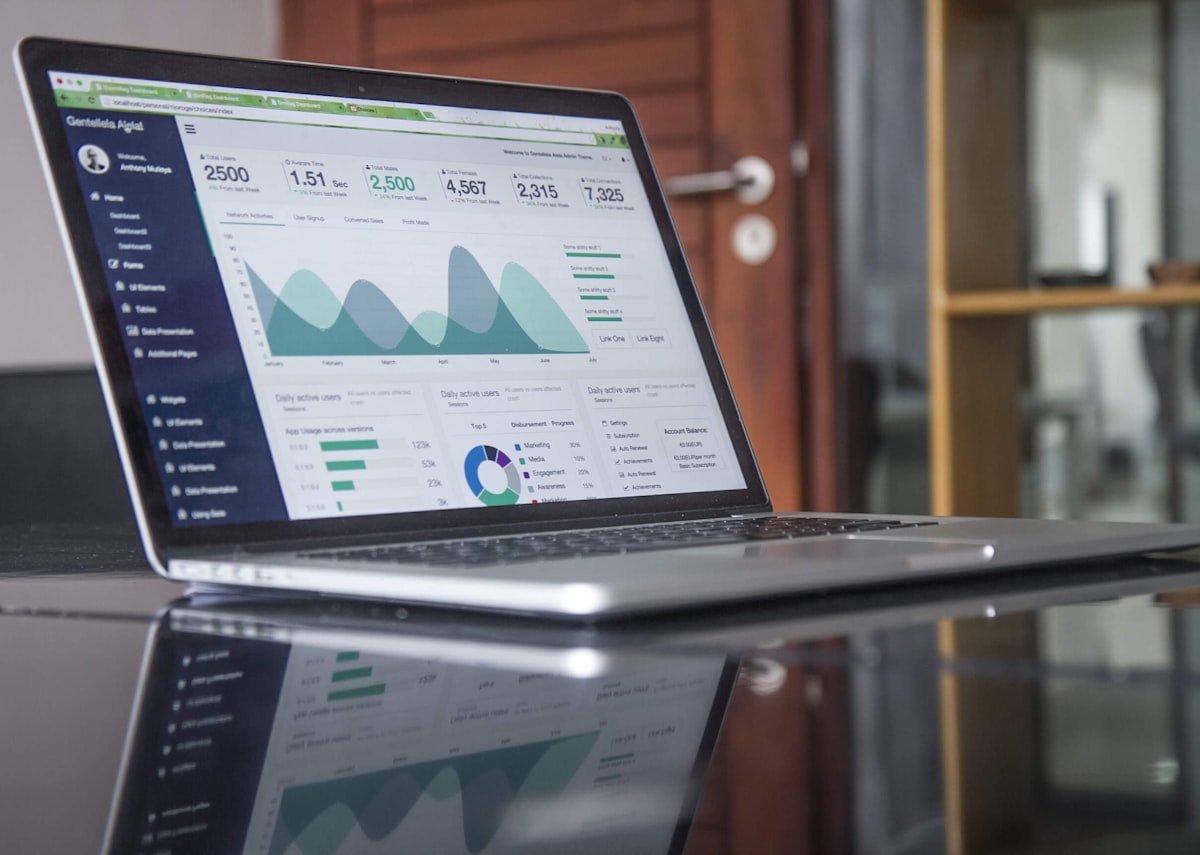
The Allure of High-Tech Health Diagnostics
Imagine being on a trip, surrounded by unfamiliar faces and exotic landscapes, only to find yourself grappling with a sudden health issue. It’s a scenario we all dread, but one that technology promises to make more manageable. The rise of innovative health diagnostics has been hailed as a revolution, especially for travelers who often find themselves in precarious situations. But, let’s not get ahead of ourselves; is this marriage of tech and health as rosy as it seems?
High-tech health diagnostics offer a world of possibilities, from portable devices that can run complex tests on the go to AI-powered systems that can analyze data to predict health risks. For travelers, these innovations can be a lifesaver, providing quick and accurate diagnoses in situations where traditional healthcare might be inaccessible.
The Unseen Challenges of Tech-Driven Diagnostics
However, beneath the surface of this tech-driven utopia lies a complex web of challenges. One of the most significant issues is the reliability and accuracy of these high-tech diagnostic tools. While they offer immense potential, the margin for error, especially in the hands of untrained users, is substantial. Moreover, the interpretation of data from these devices requires a level of medical expertise that not all travelers possess.
Furthermore, the integration of these technologies into healthcare systems across different countries poses significant logistical challenges. Different regions have different standards for medical devices, data protection, and patient privacy. This means that a device perfectly legal and safe in one country might not be so in another, leaving travelers navigating a legal and ethical minefield.
A Hidden Reality: The Digital Divide in Healthcare
Beyond the immediate challenges of tech-driven diagnostics, there’s a broader issue at play: the digital divide in healthcare. The proliferation of high-tech diagnostic tools, while beneficial for some, exacerbates existing inequalities in healthcare access. Travelers from affluent backgrounds may have access to these cutting-edge technologies, but what about those from less privileged backgrounds? The gap between those who have access to these innovations and those who do not is widening, threatening to leave some travelers even further behind.
This is not just a matter of economic disparity; it’s also about awareness and education. Many travelers are not even aware of the existence of these technologies, let alone how to use them effectively. This lack of awareness can lead to misuse or underutilization of these tools, defeating their purpose and potentially causing harm.
Towards a More Inclusive Future for Travel Health
So, where do we go from here? The key to harnessing the power of tech innovations in health diagnostics for travelers lies in making these technologies more accessible and user-friendly. This involves not just the development of more portable and affordable devices but also a concerted effort to educate travelers about their use and the implications of relying on them.
Moreover, there needs to be a global effort to standardize the use of these technologies, ensuring that they are safe, reliable, and compliant with local regulations. This is a tall order, requiring collaboration between tech companies, healthcare providers, and governmental bodies. However, the payoff could be significant, making high-quality healthcare more equitable and accessible to travelers worldwide.
As we look to the future, it’s crucial that we don’t lose sight of the human element in our quest for technological advancement. While tech innovations hold tremendous promise, they must be developed and deployed in a way that respects and addresses the complexities of human health and the diverse needs of travelers.
For more information on the challenges and opportunities presented by high-tech health diagnostics, consider exploring resources from the World Health Organization or the National Institutes of Health. These organizations offer valuable insights into the future of healthcare technology and its potential impact on global health.
The embrace of high-tech health diagnostics by travelers is a trend that’s here to stay, but it’s crucial that we approach this trend with a critical eye, acknowledging both its potential and its pitfalls. As we move forward, the goal should be to create a future where technology serves to enhance, rather than hinder, our ability to stay healthy on the go.
