


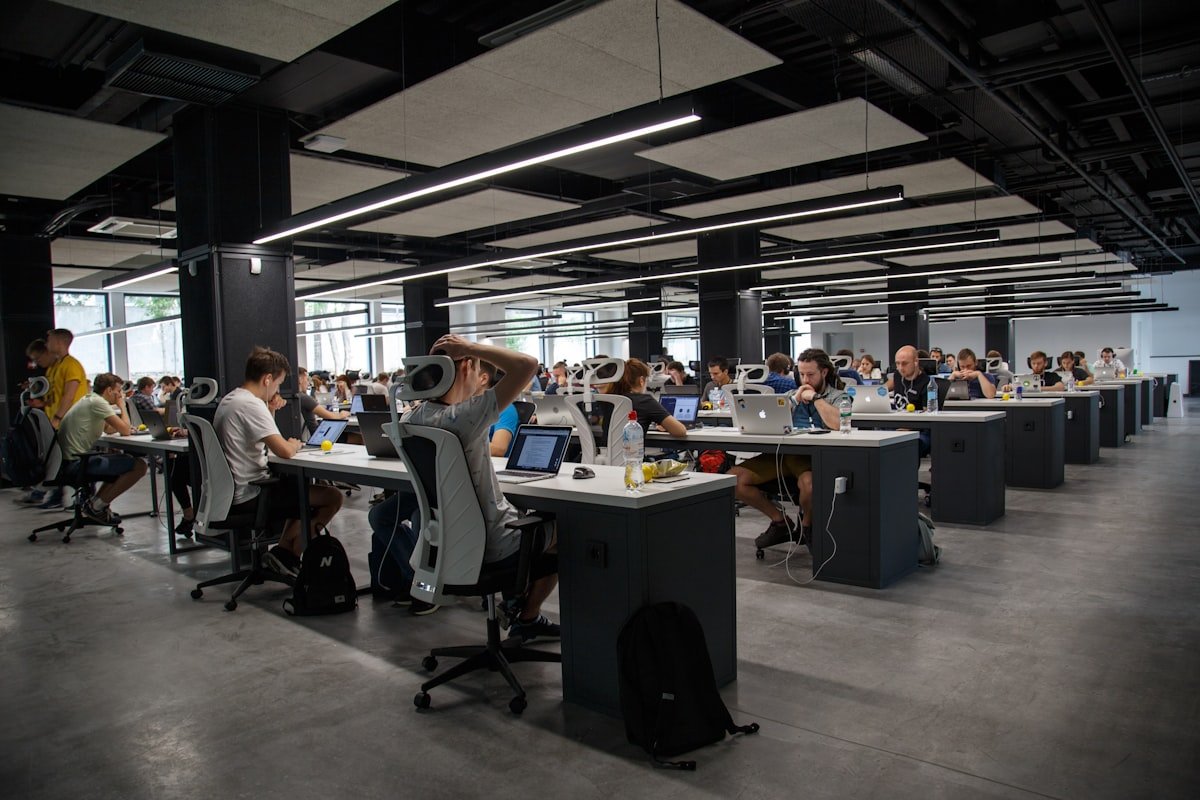
The Harmony of Code and Sound
It’s no secret that music has been a cornerstone of human culture for centuries. However, with the rise of digital music platforms, the way we consume music has undergone a significant transformation. But have you ever stopped to think about the individuals who make this digital revolution possible? We’re not talking about the musicians themselves, but the software developers who toil behind the scenes to bring us the seamless music experiences we’ve grown accustomed to.
These unsung heroes are responsible for crafting the complex algorithms that power music recommendation systems, ensuring that our favorite tunes are always just a click away. They’re the ones who develop the software that allows musicians to produce, edit, and share their music with the world. And yet, despite their crucial role in the music ecosystem, software developers often fly under the radar, their contributions overlooked and underappreciated.
The Rhythm of Innovation
One of the most significant challenges facing software developers in the music industry is the need to stay ahead of the curve. As new technologies emerge and consumer behaviors shift, developers must adapt and innovate to keep pace. This is particularly evident in the realm of music streaming, where companies like Spotify and Apple Music are constantly pushing the boundaries of what’s possible. Spotify’s Discover Weekly playlist, for example, uses sophisticated natural language processing and machine learning algorithms to create personalized playlists that are both surprising and delightful.
But innovation isn’t limited to the big players. Independent developers are also making waves in the music industry, creating innovative software solutions that empower musicians and music enthusiasts alike. From digital audio workstations to music education platforms, these developers are democratizing access to music creation and consumption, allowing more people to participate in the vibrant world of music.
The Discord of Complexity
Despite the many advances in music software development, there are still significant challenges to overcome. One of the most pressing issues is the complexity of digital music formats. With so many different file types and compression algorithms in use, it can be difficult for developers to ensure seamless playback and compatibility across different devices and platforms. This complexity can lead to frustration for both musicians and music fans, who simply want to enjoy their music without hassle.
Furthermore, the rise of streaming has also created new challenges for developers, who must navigate complex licensing agreements and royalty structures to ensure that artists are fairly compensated for their work. As the music industry continues to evolve, developers will need to stay agile and responsive to these changing needs, crafting software solutions that balance the interests of creators, consumers, and distributors alike.
The Symphony of Collaboration
So what does the future hold for software developers in the music industry? One thing is certain: collaboration will be key. As the boundaries between music, technology, and art continue to blur, developers will need to work closely with musicians, producers, and other stakeholders to create innovative solutions that meet the needs of all parties. This may involve experimenting with new formats, like immersive audio or virtual reality experiences, or developing software that enables more efficient and effective music production and distribution.
As we look to the future, it’s clear that software developers will play an increasingly important role in shaping the music industry. By embracing this reality and recognizing the value of their contributions, we can create a more harmonious and collaborative ecosystem that benefits everyone involved. As noted by the Library of Congress, the intersection of music and technology is a rich and fertile ground for innovation, and one that will continue to evolve and surprise us in the years to come.
And so, the next time you stream your favorite song or discover a new artist, take a moment to appreciate the software developers who made it all possible. Their work may be invisible, but its impact is undeniable – a testament to the power of code and creativity to shape our shared cultural landscape.
