


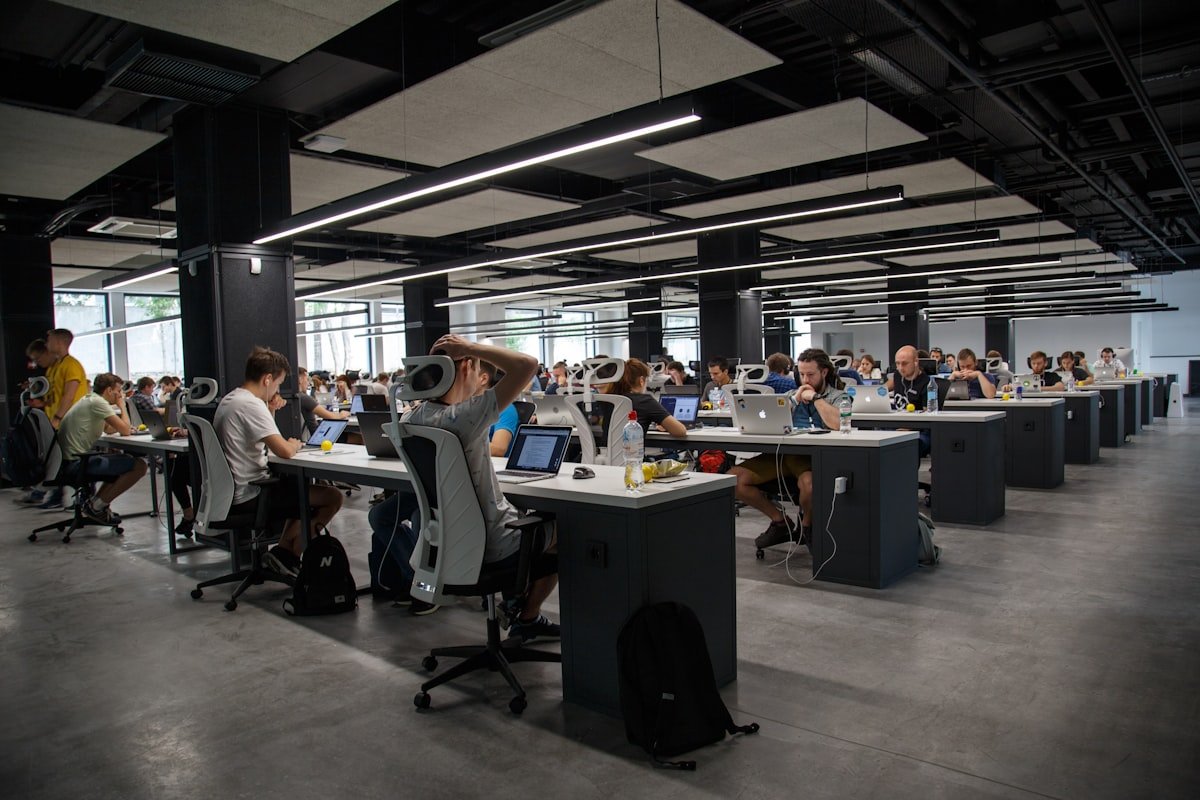
The Unseen World of Gaming
It’s no secret that the gaming industry has become a behemoth, with new titles and innovations popping up left and right. However, beneath the surface of this booming industry lies a complex web of developers, designers, and testers who toil away, often unseen, to bring these virtual worlds to life. Among these unsung heroes are remote workers, who are increasingly becoming the backbone of the gaming industry.
One might wonder, what exactly do remote workers do in the gaming industry? The answer is, a lot. From concept artists to programmers, remote workers are responsible for bringing ideas to life. They work tirelessly, often in isolation, to create the immersive experiences that gamers crave. But their contributions don’t stop there. Remote workers are also instrumental in testing and debugging games, ensuring that they are bug-free and ready for release.
The Rise of the Remote Worker
The shift towards remote work has been a gradual one, but it’s clear that it’s here to stay. With the advancement of digital communication tools and project management software, it’s become easier than ever for remote workers to collaborate and work together. This has opened up a world of opportunities for people who may have previously been excluded from the industry due to geographical constraints.
According to a report by the Bureau of Labor Statistics, the number of remote workers has increased significantly over the past decade. This trend shows no signs of slowing down, with more and more companies embracing the benefits of remote work. But what does this mean for the gaming industry? For one, it’s created a more diverse and inclusive community of developers and designers.
The Benefits of Remote Work
So, what are the benefits of remote work in the gaming industry? For starters, it allows for a more flexible and autonomous work environment. Remote workers can work at their own pace, without the distractions and interruptions that often come with working in an office. This can lead to increased productivity and better work-life balance.
Another benefit of remote work is the ability to tap into a global talent pool. No longer are companies limited to hiring people from their local area. With remote work, they can hire the best and brightest from all over the world. This has led to a more diverse and innovative industry, with fresh perspectives and ideas.
The Challenges of Remote Work
Of course, remote work isn’t without its challenges. One of the biggest hurdles is communication. When team members are scattered across the globe, it can be difficult to communicate effectively. This can lead to misunderstandings and delays, which can be costly in the fast-paced world of game development.
To overcome these challenges, companies are turning to innovative solutions like virtual reality conferencing and collaborative project management tools. These tools allow remote workers to communicate and collaborate in real-time, no matter where they are in the world. For example, a report by the Pew Research Center found that the use of virtual reality technology is on the rise, with more and more companies using it to enhance remote communication and collaboration.
The Future of Remote Work
So, what does the future hold for remote work in the gaming industry? It’s clear that remote work is here to stay, and it will only continue to grow and evolve. As technology advances and digital communication tools improve, we can expect to see even more innovative solutions for remote collaboration and communication.
As the gaming industry continues to grow and expand, it’s likely that we’ll see more and more remote workers taking on key roles. Whether it’s concept artists, programmers, or testers, remote workers will be at the forefront of the industry, driving innovation and pushing the boundaries of what’s possible. And as they do, they’ll be shaping the future of the gaming industry, one pixel at a time. The impact of remote workers will be felt for years to come, shaping the industry into a more diverse, innovative, and exciting place.
