


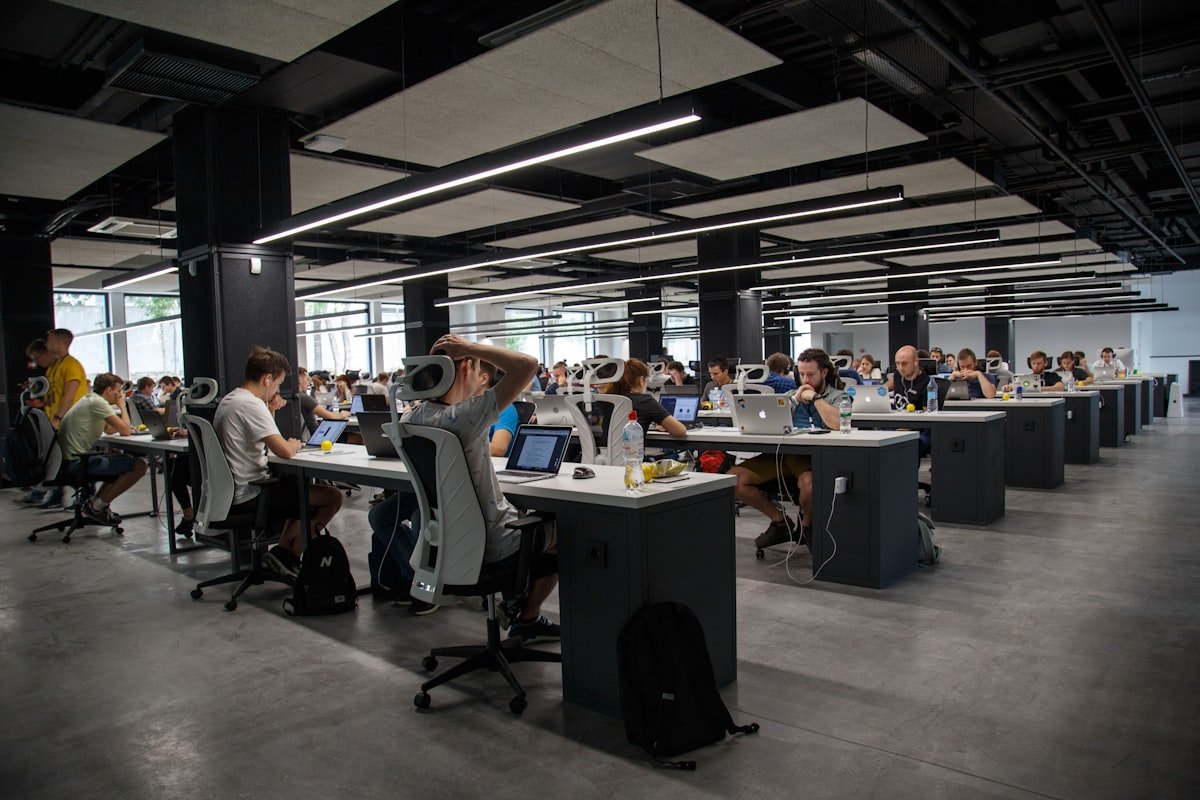
The Great Software Development Conundrum
Let’s face it, software development is not all fun and games. Behind the scenes of sleek interfaces and seamless user experiences, there’s a world of complexities and challenges that can make even the most seasoned developer want to pull their hair out.
For remote workers, the situation can be even more dire. Without the luxury of face-to-face interactions and real-time feedback, they often have to rely on digital communication tools to collaborate with team members and troubleshoot issues.
Uncovering the Hidden Realities
So, what are these hidden realities that are making life difficult for remote software developers? For starters, there’s the issue of documentation – or lack thereof. When code is not properly commented, it can be like trying to decipher a secret language, leaving remote workers frustrated and stuck.
Another hidden reality is the prevalence of technical debt. This occurs when developers prioritize quick fixes over long-term solutions, resulting in a tangled web of code that’s difficult to maintain and update.
According to a report by the National Institute of Standards and Technology, technical debt can have significant consequences, including increased maintenance costs and decreased system reliability.
The Remote Worker’s Dilemma
So, how do remote workers navigate these hidden realities and still manage to deliver high-quality software? It’s not easy, but there are some strategies that can help. For one, remote workers can leverage collaboration tools like Slack or Trello to stay connected with team members and get real-time feedback.
They can also prioritize self-education and professional development, staying up-to-date with the latest industry trends and best practices. This can involve taking online courses, attending webinars, or participating in online communities.
The Future of Software Development
As the software development landscape continues to evolve, it’s likely that we’ll see more emphasis on remote work and distributed teams. This will require developers to be more adaptable, resilient, and self-motivated than ever before.
According to an article by the New York Times, the future of work will be characterized by increased flexibility and autonomy, with more people working remotely and on their own terms.
For remote software developers, this means being proactive about seeking out opportunities for growth and development, whether that’s through online courses, mentorship programs, or industry conferences.
By doing so, they can stay ahead of the curve and thrive in a rapidly changing industry. And who knows, they might just find that the hidden realities of software development are not so hidden after all, but rather a catalyst for innovation and growth.
