


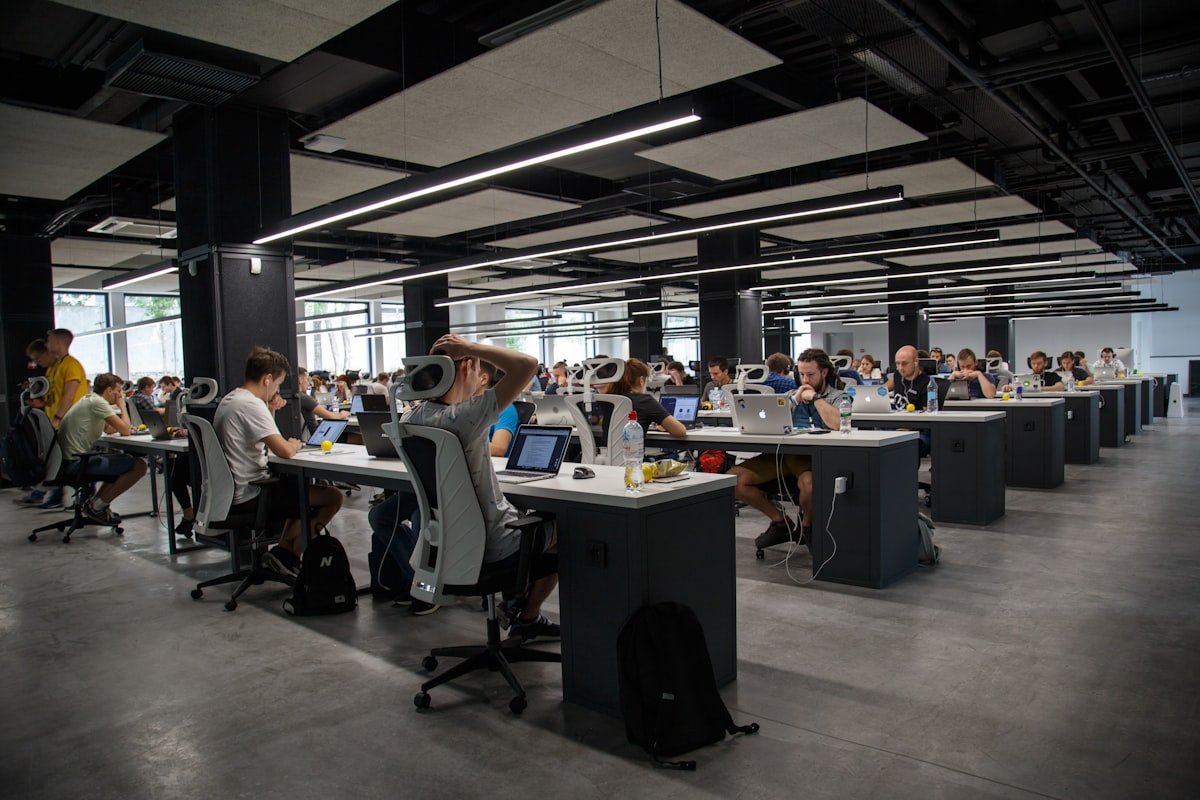
The Unlikely Heroes of Health
It’s time to challenge the stereotypes and rethink our approach to health and wellness. While the traditional image of a health enthusiast might be someone sipping kale smoothies and practicing yoga, what if the key to unlocking better health outcomes lies with a different group altogether? Enter the gamers – yes, you read that right. Gamers, those often-misunderstood individuals who spend hours on end exploring virtual worlds and conquering digital challenges, might just hold the secret to improving our overall health.
The connection between gaming and health might seem tenuous at best, but bear with me here. Gamers are notorious for their ability to focus, to immerse themselves in complex environments, and to tackle problems with creative solutions. These are the very skills that healthcare professionals wish patients would apply to their own health journeys. Imagine if we could tap into the same level of engagement and dedication that gamers exhibit in their virtual pursuits and redirect it towards real-world health issues.
The Surprising Insight
So, what makes gamers so uniquely qualified to drive health innovation? For starters, their experience with complex systems and problem-solving could be a huge asset in tackling some of our most pressing health challenges. Think about it: gamers are accustomed to navigating intricate game mechanics, managing resources, and optimizing performance – all skills that could be incredibly valuable in managing chronic health conditions or understanding the human body’s own complex systems.
Furthermore, the gaming community is known for its collaborative spirit and willingness to share knowledge and strategies. This open, supportive environment is exactly what the health sector needs – a space where individuals can share their experiences, learn from each other, and work together towards better health outcomes. It’s an angle that’s been surprisingly overlooked until now, and it’s time we give gamers the recognition they deserve as potential catalysts for health innovation.
A Mistake We’ve Been Making
One of the biggest mistakes we’ve made in addressing health issues is assuming that the solution lies in more education or awareness. Don’t get me wrong; these are crucial components of any health strategy. However, if we’re being honest, simply knowing more about health doesn’t necessarily translate to better behavior or outcomes. What’s missing is engagement – a genuine, personal investment in one’s health that goes beyond reading a pamphlet or watching a PSA.
This is where gamers can really shine. Their passion, dedication, and commitment to their hobby are traits that we should be aiming to replicate in the context of health. By leveraging the engagement strategies that game designers use to hook players, we might just find a way to make health more appealing, interactive, and – dare I say it – enjoyable. The mistake we’ve been making is underestimating the power of fun and engagement in driving positive change.
Unlocking the Hidden Reality
So, what’s the hidden reality here? It’s that our health is not just about our bodies; it’s about our minds, our communities, and our environments. It’s about finding ways to make healthy choices appealing and accessible to everyone, regardless of their background or circumstances. And, surprisingly, gamers might be the ones to show us how.
According to a study published by NCBI, the impact of gaming on cognitive skills and social behaviors is multifaceted and complex. Similarly, an article by The New York Times explores how games can be designed to promote learning and healthy behaviors. These resources offer a glimpse into the broader potential of gaming to influence health outcomes, both positively and negatively.
The real question isn’t whether gamers can teach us about health; it’s whether we’re willing to listen and learn. Are we ready to challenge our preconceptions and explore unconventional avenues for health innovation? If so, then perhaps it’s time we start looking at gamers not just as enthusiasts of a hobby, but as pioneers in a new frontier of health and wellness.
As we move forward, it’s crucial that we recognize the value in unlikely heroes and the potential for engagement and innovation that they bring. By embracing this mindset, we might just unlock a future where health is not a chore, but a challenge – a game, if you will – that everyone can play and win. And who knows, maybe one day, the line between the virtual and real worlds will blur, and we’ll find that the healthiest among us are those who’ve learned to play the game of life with the same passion and dedication as their favorite video games.
