


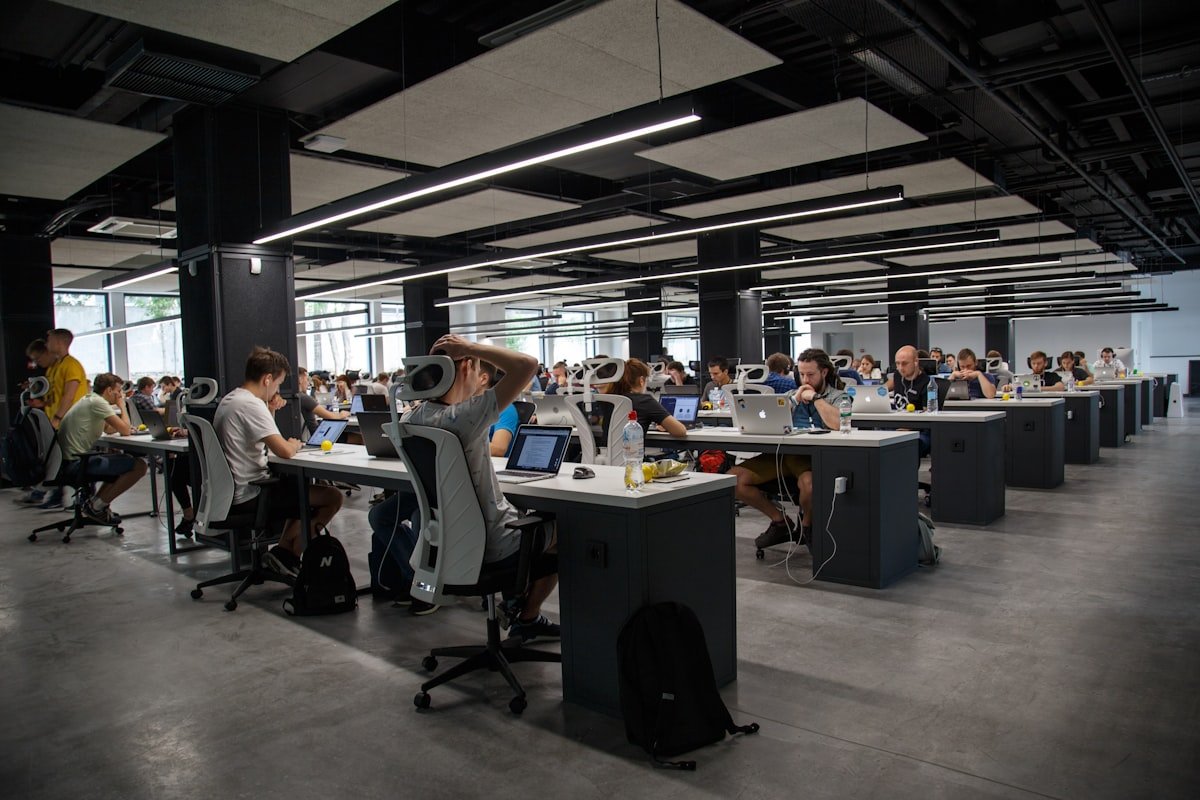
The Unseen Enemy of Focus
Let’s face it, we’re living in an era where technology is supposed to make our lives easier, faster, and more efficient. However, have you ever stopped to think that perhaps our beloved gadgets are secretly working against us, stifling our productivity and creativity? It sounds like a conspiracy theory, but bear with me here.
Consider this: every time you reach for your phone to check the time, you’re also tempted to scroll through social media, check your emails, or play a game. It’s a vicious cycle that can derail even the best of intentions and leave you wondering where the last hour went. It’s not just phones, though; laptops, tablets, and even smartwatches can be culprits in this silent sabotage.
The Trend of Distraction
There’s a trend here that we can’t afford to ignore. The more gadgets we have, the more distracted we become. It’s a trend that’s affecting professionals, students, and even travelers, who are supposed to be on the move and productive but end up stuck in a loop of notifications and updates. The irony is that the tools designed to help us manage our time better are actually stealing it away from us.
According to a study by Pew Research Center, the constant stream of information from gadgets can lead to a state of continuous partial attention, where we’re never fully focused on one thing. This isn’t just about personal productivity; it has broader implications for education, business, and even our personal well-being.
Mistakes in the System
So, what’s going wrong here? At the heart of it, our approach to technology and productivity is flawed. We’re so fixated on the latest gadgets and apps that promise to make us more efficient that we’ve forgotten the simple act of focusing. We’re letting our tools control us, rather than the other way around.
For instance, the concept of deep work by Cal Newport suggests that the ability to perform professional activities while maintaining a high level of concentration is becoming increasingly valuable in a world filled with distractions. However, our current gadget-filled lifestyle is doing the opposite, pushing us towards more shallow work and less meaningful engagement with our tasks.
A Hidden Reality of Addiction
There’s a hidden reality here, one that we’re not comfortable confronting: our addiction to gadgets. It’s not just about the time we spend on them; it’s about the psychological need we’ve developed to constantly be connected, to feel like we’re missing out if we’re not checking our devices every few minutes. This addiction isn’t just hurting our productivity; it’s affecting our mental and physical health.
Breaking free from this cycle requires a conscious effort, a willingness to set boundaries with our gadgets and prioritize real, human interaction and deep, focused work. It’s not about abandoning technology altogether but about using it in a way that serves us, not controls us.
As we move forward, it’s essential to recognize the subtle yet profound impact our gadgets have on our lives. By becoming more mindful of our technology use and seeking a healthier balance between connectivity and solitude, we can reclaim our time and our focus. The question is, are we ready to take back control, or will we continue to let our gadgets silently sabotage our potential?
