


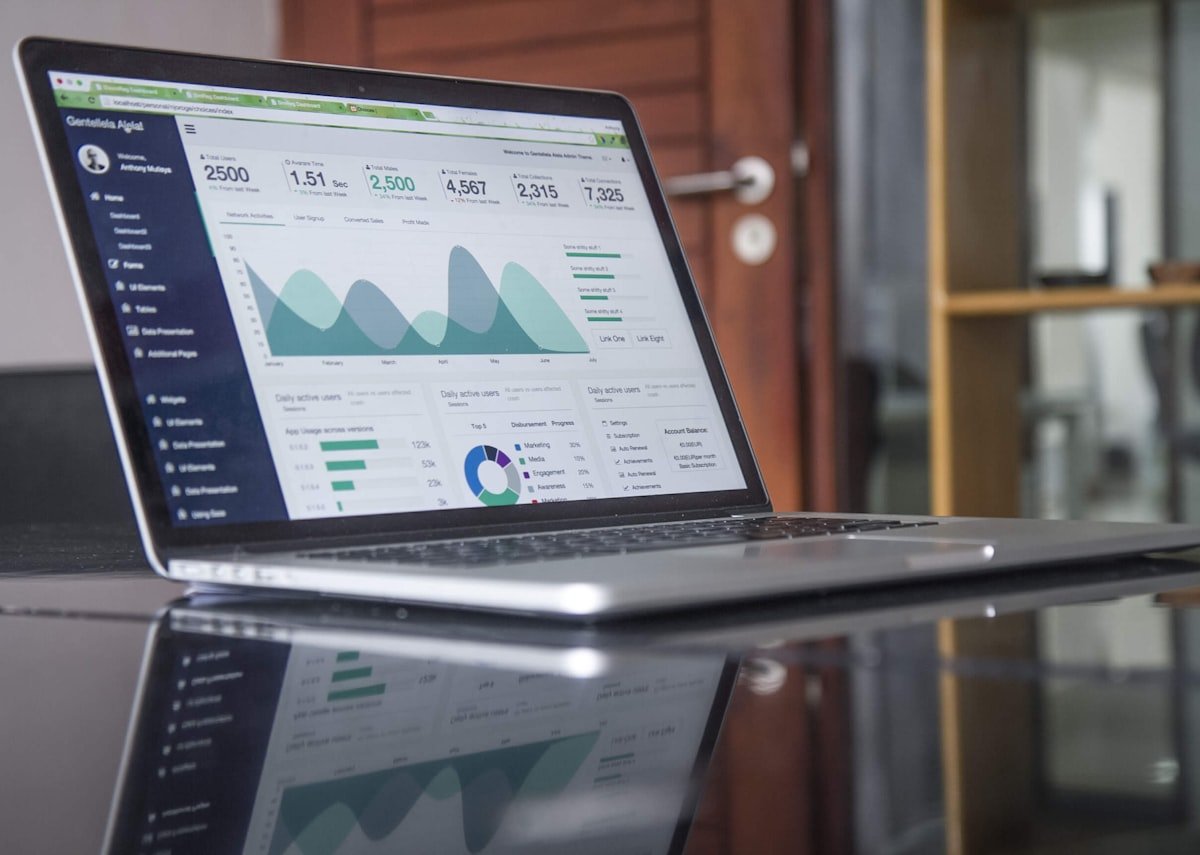
The Dark Side of Health Monitoring
In the pursuit of a healthier lifestyle, we’ve become increasingly reliant on technology to monitor our every move, heartbeat, and calorie intake. But have we stopped to consider the potential consequences of this health monitoring obsession? It’s ironic, isn’t it, that our quest for well-being might be the very thing that’s making us more anxious and stressed?
Take, for example, the rise of wearable devices that track our sleep patterns, exercise routines, and nutrition. On the surface, it seems like a great idea – after all, who wouldn’t want to optimize their health and wellness? But scratch beneath the surface, and you’ll find a complex web of data collection, analysis, and manipulation that’s leaving many of us feeling like lab rats in a never-ending experiment.
The Problem with Data-Driven Health
One of the main issues with health monitoring is that it’s creating a culture of obsession around data. We’re constantly checking our stats, comparing ourselves to others, and feeling like we’re not measuring up. It’s a never-ending cycle of self-doubt and anxiety, all in the name of ‘getting healthier.’ But what’s the point of having all this data if it’s not actually making us feel better?
According to a study published by the National Institutes of Health, the use of wearable devices can actually lead to decreased motivation and increased stress levels in some individuals. It’s a phenomenon known as ‘fitness fatigue,’ where the constant stream of data becomes overwhelming and demotivating.
The Hidden Reality of Health Monitoring
So, what’s driving this obsession with health monitoring? Is it really about getting healthier, or is it about something more sinister? Perhaps it’s about the lucrative business of data collection and analysis, where our personal information is sold to the highest bidder. Or maybe it’s about the ego-boosting thrill of being able to track our every move and compare ourselves to others.
Whatever the reason, it’s clear that the health monitoring industry is ripe for disruption. We need to start questioning the true motives behind these technologies and the companies that promote them. As noted by the Federal Trade Commission, the collection and use of consumer data is a major concern, particularly in the context of health and wellness.
A New Approach to Health and Wellness
So, what’s the alternative? How can we promote healthy behaviors without resorting to obsessive data tracking and analysis? Perhaps it’s about focusing on the bigger picture – the social, environmental, and economic factors that influence our health and well-being.
By taking a more holistic approach to health, we can start to break free from the cycle of data-driven obsession and focus on what really matters: living a balanced, fulfilling life. It’s time to stop fetishizing data and start promoting real, meaningful change. After all, our health and wellness are worth more than just a set of numbers and statistics.
As we move forward in this brave new world of health monitoring, it’s essential that we prioritize our well-being above all else, and recognize that true health is not just about tracking our vital signs, but about living life to the fullest, with all its complexities, nuances, and mysteries. And that’s a reality that no amount of data can ever fully capture, but one that we must always strive to understand and respect.
