


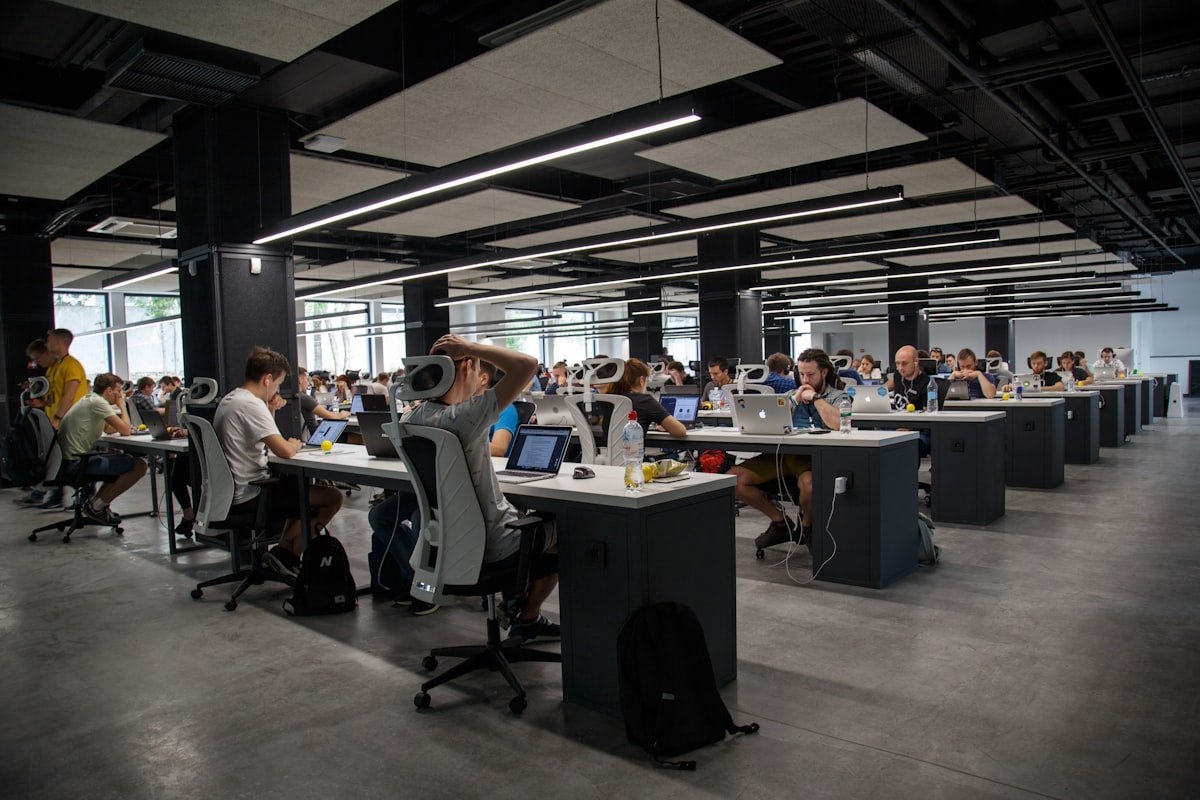
Education in the Age of Distraction
In today’s world, where gadgets and gizmos are constantly competing for our attention, it’s easy to get sidetracked. The tech industry’s relentless pursuit of innovation has led to some amazing breakthroughs, but has it also contributed to a culture of distraction that’s hurting our education system? It’s a question worth considering, especially when we think about how our education system is struggling to keep up with the times.
On one hand, technology has opened up countless doors for learning. With the rise of online courses and educational resources, it’s never been easier for people to access knowledge and learn new skills. However, on the other hand, the constant stream of notifications, updates, and distractions can make it difficult for students to focus and retain information. It’s like trying to drink from a firehose – there’s just too much information coming at us too quickly.
The Dark Side of Innovation
One of the biggest problems with the tech industry’s obsession with innovation is that it can create a culture of disposability. When new gadgets and software are constantly being released, it can be tempting to toss out the old and upgrade to the latest and greatest. But what does this do to our education system? Are we teaching students to value the latest trends and technologies over timeless knowledge and skills? It’s a question that’s worth considering, especially when we think about how our education system is preparing students for the workforce.
According to a report by the US Department of Education, the average student’s attention span is now shorter than ever before. This is a worrying trend, especially when we think about how it will affect our ability to engage with complex ideas and think critically. As the report notes, ‘the ability to focus and pay attention is essential for learning and academic success.’
Rethinking the Way We Learn
So what’s the solution to this problem? How can we balance the benefits of technology with the need for focus and attention in education? One possible answer is to rethink the way we learn. Instead of trying to cram as much information as possible into a student’s head, what if we focused on teaching them how to think critically and solve problems? This approach would emphasize depth over breadth, and would encourage students to explore topics in a more nuanced and detailed way.
As an article in the New York Times notes, ‘the most effective learning is often slow, difficult, and frustrating.’ This approach may not be as flashy or attention-grabbing as the latest gadget or trend, but it’s one that could ultimately lead to more meaningful and lasting learning. By focusing on the process of learning, rather than just the end result, we can help students develop a deeper understanding of the world and their place in it.
A New Approach to Education
Of course, this is easier said than done. Implementing a new approach to education would require a fundamental shift in the way we think about learning and teaching. It would require educators to rethink their methods and approaches, and to be willing to try new things. But the payoff could be significant. By focusing on depth and critical thinking, we could create a more educated and engaged population, one that’s better equipped to navigate the complexities of the modern world.
As we move forward, it’s worth considering the role that technology will play in shaping our education system. Will it be a force for good, or will it continue to be a source of distraction and disruption? The answer, of course, is unclear. But one thing is certain: the future of education will be shaped by the choices we make today. And if we’re not careful, we might just find ourselves sleepwalking into a future where the tech industry’s obsession with innovation has led to a culture of ignorance, rather than enlightenment. And that’s a fate worse than being stuck in a never-ending loop of software updates and gadget envy.
