


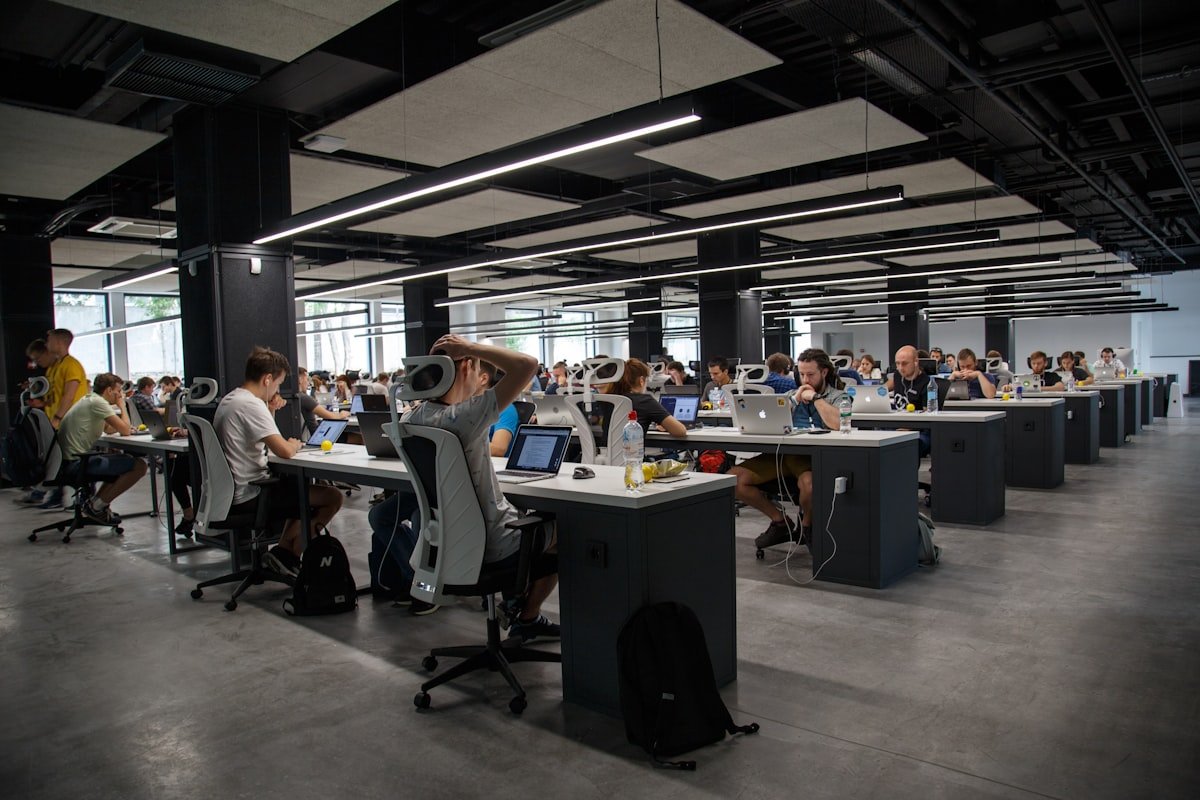
Introduction to the Abyss
Ah, software – the backbone of modern society, or so we’re told. As we mindlessly click away, agreeing to terms and conditions without a second thought, are we unwittingly surrendering our autonomy to the void of the digital world? It’s a bleak picture, but one that warrants examination, especially when considering the often-overlooked realm of software development and its implications on our daily lives.
The Hidden Realities of Dependency
Dependency on software is not just about having the latest gadgets or trendy apps; it’s about how deeply these tools penetrate every fabric of our existence. From simple tasks like setting reminders to complex operations like financial management, we’re increasingly reliant on software to navigate the world. But beneath the surface of this convenience lies a hidden reality – one where our privacy, security, and even freedom are subtly compromised.
For students, especially, this dependency can be particularly crippling. With the constant pressure to perform and the need for quick, accessible information, they find themselves at the mercy of software solutions. However, this doesn’t have to be the case. By understanding the underlying mechanics and potential vulnerabilities of the software they use, students can begin to break free from this cycle of dependency.
An Unsettling Insight: Surveillance Through Software
An unsettling insight into the world of software is how it can be used as a tool for surveillance. With the ability to track user behavior, collect data, and predict patterns, software companies hold a significant amount of power over their users. This power, while often used for innocuous purposes such as targeted advertising, can also be exploited for more sinister means. The question then arises: Are we, as users, merely pawns in a much larger game of data and control?
Professionals, too, are not immune to this phenomenon. In their quest for efficiency and productivity, they often adopt software solutions without fully considering the long-term implications. This oversight can lead to a loss of control over sensitive information and a blurring of the lines between personal and professional life.
A Path Less Traveled: Empowerment Through Education
So, how do we reclaim our autonomy in a world dominated by software? The answer lies not in abandoning these tools altogether but in educating ourselves about their true nature and potential risks. By doing so, we can begin to use software on our own terms, rather than being controlled by it. This is particularly crucial for remote workers and travelers, who often find themselves in vulnerable positions due to their reliance on public networks and unfamiliar software environments.
According to a report by Federal News Network, there’s a growing need for cybersecurity awareness among remote workers. This underscores the importance of not just using software, but understanding it – a distinction that could be the difference between freedom and entrapment in the digital age.
In the end, it’s about striking a balance between convenience and control. As we delve deeper into the world of software, we must remember that with every click, we’re not just accessing information – we’re making a choice. A choice between dependence and autonomy, between ignorance and awareness. And it’s this choice that will ultimately determine the future of our relationship with software, and perhaps, with ourselves.
